If you have ever experienced chronic or recurring back pain, you know it affects far more than just your spine—it impacts your sleep, your mood, and your ability to enjoy daily life. Too often, the immediate ache becomes the sole focus, leading to a cycle of temporary fixes that never address the core issue. Healing your back is not about masking symptoms; it’s about becoming a detective to understand the specific mechanical, behavioral, and structural imbalances that trigger the pain.
As we approach the end of the year, it’s the perfect time to commit to resolving physical issues that hold you back. At Uncommon PT, our holistic physical therapy philosophy treats the body as an integrated system. We don’t just treat the site of the pain; we design a comprehensive strategy that prioritizes VIP service and expert guidance to ensure you move into 2026 not just pain-free, but stronger and more resilient than ever before.
Back pain is one of the most common reasons people seek medical help or miss work. Back pain is a leading cause of disability worldwide.
Fortunately, measures can help prevent or relieve most back pain episodes, especially for people younger than age 60. If prevention fails, simple home treatment and using the body correctly often can heal the back within a few weeks. Surgery is rarely needed to treat back pain.
Symptoms
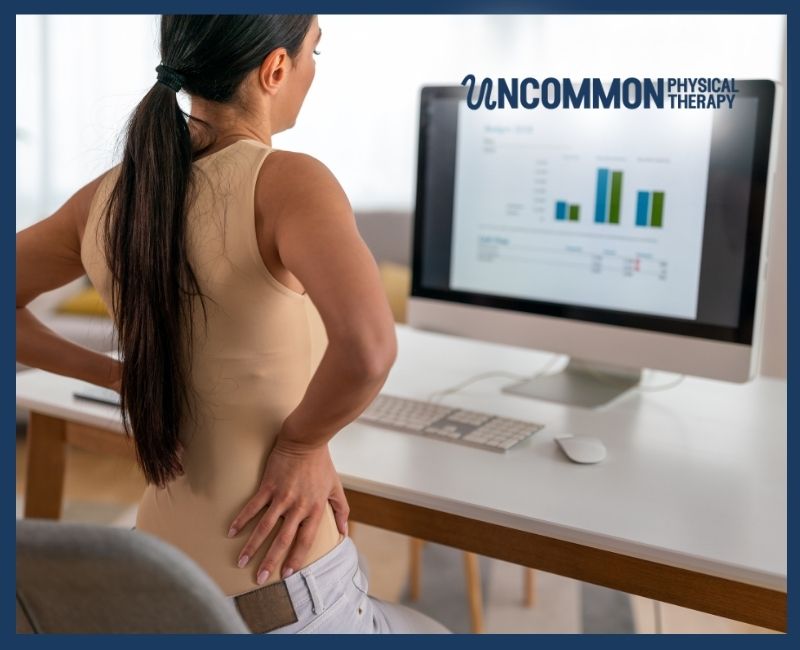
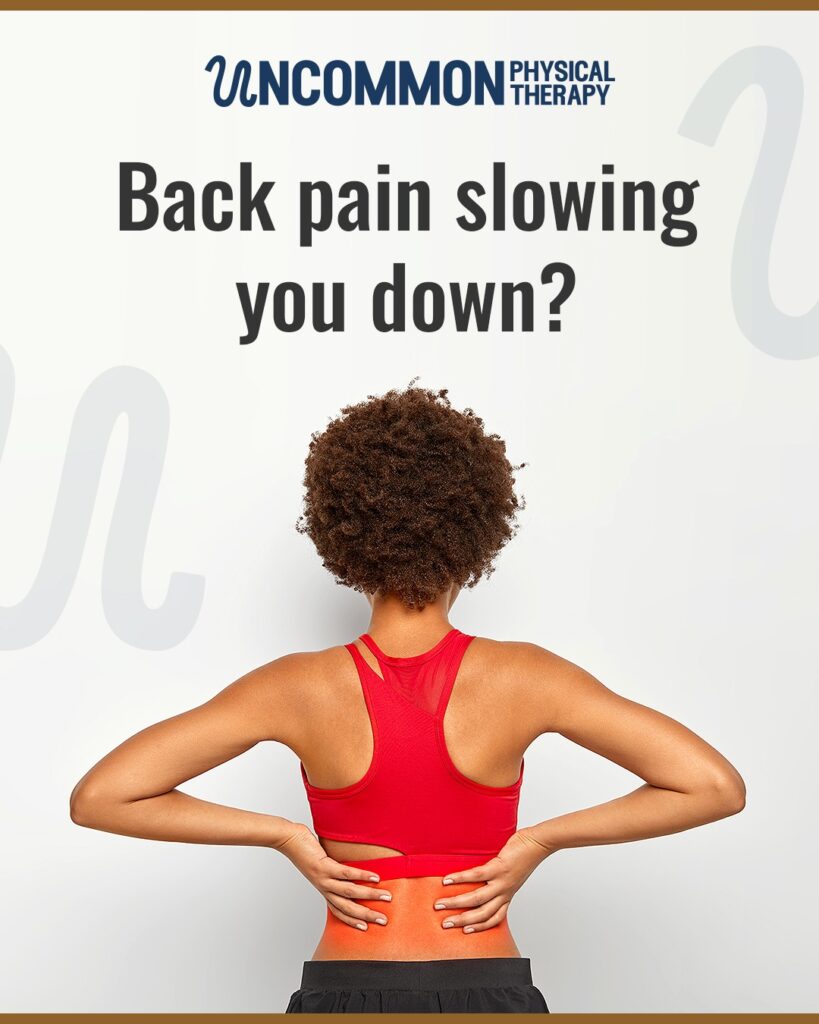
Back pain can range from a muscle ache to a shooting, burning or stabbing feeling. Also, the pain can radiate down a leg. Bending, twisting, lifting, standing or walking can make pain worse.
When to see a doctor
Most back pain improves over time with home treatment and self-care, often within a few weeks. Contact your healthcare professional for back pain that:
- Lasts longer than a few weeks.
- Is severe and doesn’t improve with rest.
- Spreads down one or both legs, especially if it goes below the knee.
- Causes weakness, numbness, or tingling in one or both legs.
- Is paired with unexplained weight loss.
In some people, back pain can signal a serious medical problem. This is rare, but seek immediate care for back pain that:
- Causes new bowel or bladder problems.
- Is accompanied by a fever.
- Follows a fall, blow to the back or other injury.
Causes
Back pain often develops without a cause that shows up in a test or an imaging study. Conditions commonly linked to back pain include:
- Muscle or ligament strain. Repeated heavy lifting or a sudden awkward movement can strain back muscles and spinal ligaments. For people in poor physical condition, constant strain on the back can cause painful muscle spasms.
- Bulging or ruptured disks. Disks act as cushions between the bones in the spine. The soft material inside a disk can bulge or rupture and press on a nerve. However, a bulging or ruptured disk might not cause back pain. Disk disease is often found on spine X-rays, CT scans or MRIs done for another reason.
- Arthritis. Osteoarthritis can affect the lower back. In some cases, arthritis in the spine can lead to a narrowing of the space around the spinal cord, a condition called spinal stenosis.
- Osteoporosis. The spine’s vertebrae can develop painful breaks if the bones become porous and brittle.
- Ankylosing spondylitis, also called axial spondyloarthritis. This inflammatory disease can cause some of the bones in the spine to fuse. This makes the spine less flexible.
Risk factors
Anyone can develop back pain, even children and teens. These factors can increase the risk of developing back pain:
- Age. Back pain is more common with age, starting around age 30 or 40.
- Lack of exercise. Weak, unused muscles in the back and abdomen might lead to back pain.
- Excess weight. Excess body weight puts extra stress on the back.
- Diseases. Some types of arthritis and cancer can contribute to back pain.
- Improper lifting. Using the back instead of the legs can lead to back pain.
- Psychological conditions. People prone to depression and anxiety appear to have a greater risk of back pain. Stress can cause muscle tension, which can contribute to back pain.
- Smoking. People who smoke have increased rates of back pain. This may occur because smoking causes coughing, which can lead to herniated disks. Smoking also can decrease blood flow to the spine and increase the risk of osteoporosis.
Prevention
Improving one’s physical condition and learning and practicing how to use the body might help prevent back pain.
To keep the back healthy and strong:
- Exercise. Regular low-impact aerobic activities can increase strength and endurance in the back and allow the muscles to work better. Walking, bicycling and swimming are good choices because they don’t strain or jolt the back. Talk with your healthcare team about which activities to try.
- Build muscle strength and flexibility. Abdominal and back muscle exercises, which strengthen the body’s core, help condition these muscles so that they work together to support the back.
- Maintain a healthy weight. Being overweight strains back muscles.
- Quit smoking. Smoking increases the risk of low back pain. The risk rises with the number of cigarettes smoked each day, so quitting can help reduce this risk.
Avoid movements that twist or strain the back. To use the body properly:
- Stand smart. Don’t slouch. Maintain a neutral pelvic position. When standing for long periods, place one foot on a low footstool to take some of the load off the lower back. Alternate feet. Good posture can reduce the stress on back muscles.
- Sit smart. Choose a seat with good lower back support, armrests and a swivel base. Placing a pillow or rolled towel in the small of the back can maintain its typical curve. Keep knees and hips level. Change position frequently, at least every half hour.
- Lift smart. Avoid heavy lifting, if possible. If you must lift something heavy, let your legs do the work. Keep your back straight, bend only at the knees, and don’t twist. Hold the load close to your body. Find a lifting partner if the object is heavy or awkward.
Buyer beware
Because back pain is common, many products promise prevention or relief. But there’s no good evidence that special shoes, shoe inserts, back supports or specially designed furniture can help.
In addition, there doesn’t appear to be one type of mattress that’s best for people with back pain. It’s probably a matter of what feels most comfortable to each person.

Reading about relief is the first step; achieving it is the next. If you are ready to heal the root causes of your back pain, don’t wait for the new year—start today. Our high-quality team of holistic physical therapy experts is ready to provide the personalized assessment and care plan you need. Stop relying on temporary fixes and invest in a truly resilient, pain-free 2026. Schedule your appointment in Charlotte at (704) 803-8038. For more inspiration and tips, you can follow us on Instagram.
Reference: [https://www.mayoclinic.org/diseases-conditions/back-pain/symptoms-causes/syc-20369906]